
Have you ever felt like you don’t quite “fit in,” even though you work hard to blend in? Or perhaps you’ve noticed persistent challenges in socialising, managing change, or learning in specific environments? For many adults, these experiences point to something deeper: autism spectrum disorder (ASD). While autism is often associated with children, many autistic traits continue into adulthood – and in some cases, go undiagnosed for years.
In the UK, estimates suggest around 1 in 100 adults might be autistic, though the real number could be higher due to underdiagnosis. Many grow up without support, facing difficulties that are not always understood by others. In this blog post on Standby24, we explore 12 signs of autism in adults – looking at ASD symptoms, autistic traits, and how these relate to learning difficulties and autism support. We also touch on what treatment, help and care are available through Standby24, so that if you or someone you care about sees these signs, you know where to turn.
By the end, you’ll have clearer insight into asd meaning, how to identify traits, and how Standby24 can help with asd care, support, and care for learning difficulties or neurodivergent needs.
1. The Problem / Context

Why many adults go undiagnosed
Autism is lifelong. But many adults – especially older generations – were never assessed or diagnosed when young. Because awareness has grown relatively recently, many adults remain undiagnosed, which means their needs aren’t met. Research in England estimates up to 750,000 autistic adults may be undiagnosed. That’s a vast number of people living without clarity or support.
When autism isn’t recognised, everyday life can feel like swimming upstream. Interactions, learning, employment, and mental health all suffer. Many autistic adults also experience co-occurring learning difficulties or mental health challenges such as anxiety, depression, or burnout. The risk of suicidal ideation is also notably higher among autistic adults or people with pronounced autistic traits.
Here’s a snapshot of the stakes:
- Only 30% of autistic adults in the UK are in any form of paid employment.
- Many feel isolated, misunderstood, or fatigued from “masking” their traits (hiding behaviours to appear neurotypical).
- Without awareness of asd symptoms or autistic traits, they may mistakenly believe they’re “just different” or “less capable.”
In short: identifying signs early or later in life matters. It opens doors to autism support, tailored asd treatment, and better strategies for learning difficulties.
2. Twelve Signs of Autism in Adults
(Autistic Traits / ASD Symptoms)
Below are 12 common signs – keep in mind: no one adult will show all of them, and the strength or presence of each will differ.
- Differences in social communication
Difficulty reading social cues (body language, tone) or often missing “unspoken rules” in conversations. You may prefer direct, literal speech rather than small talk.
- Challenges in forming and maintaining friendships
You might feel exhausted by socialising, struggle to keep up small talk, or find it easier to have one or two deep connections than many casual friends.
- Repetitive behaviours or routines
Strong reliance on routine or rituals. Even small changes can feel overwhelming, causing anxiety or discomfort.
- Intense, narrow special interests
Deep fascination with one or a few topics (e.g. trains, coding, history), often becoming a core part of your identity. This is a classic autistic trait.
- Sensory sensitivities or differences
Over- or under-sensitive to sounds, lights, textures, smells, or tastes. You might be overwhelmed in noisy places or avoid certain fabrics or smells.
- Hyperfocus or difficulty shifting attention
When engaged in a special interest or project, you may lose track of time. But switching tasks (especially to something less preferred) can be extremely hard.
- Executive functioning challenges
Difficulties in planning, organising, prioritising, time management, or initiating tasks – especially if they’re not intrinsically motivated.
- Difficulty in interpreting others’ emotions or sarcasm
You may misread tone, facial expressions, or irony, leading to misunderstandings.
- Emotional regulation challenges
Struggles managing strong emotions (anger, frustration, anxiety) or shutting off after stress (“stimming,” meltdown, shutdown episodes).
- Masking and fatigue
Constantly “masking” autistic traits to appear neurotypical leads to exhaustion, stress, or a sense of losing self. - Preference for solitude or limited social energy
Socialisation may be draining; you recharge best alone or in small groups. You may prefer written communication over verbal.
- Learning differences or difficulties
You may find some learning environments challenging – e.g. lectures, unstructured tasks, or group work – even if you have strong intelligence. Many autistic adults also have overlapping learning difficulties or learning disabilities (e.g. dyslexia). Standby24 recognises this overlap and supports people in integrating strategies to manage these challenges.
These signs align with the broader asd symptoms spectrum and reflect the asd meaning beyond just childhood diagnosis.
3. Solutions / Insights: What You Can Do (and How Standby24 Helps)
Recognising these traits is just the first step. The next is acting toward understanding, adaptation, and support. Here’s how you or a loved one can move forward – and how Standby24 can support.
a. Self-reflection & Screening
- Use screening tools like the Autism-Spectrum Quotient (AQ) to reflect on autistic traits you may carry.
- Keep a journal: Note patterns in your behaviours, emotional reactions, sensory triggers, and strengths.
b. Seek Professional Assessment
- Consult a clinical psychologist, psychiatrist, or neurodevelopmental specialist for a formal diagnosis.
- In the UK, wait times may be long, and adult assessment services have historically been limited.
- A diagnosis opens access to autism support services, accommodations, and recognition of learning difficulties.
- Contact Standby24 to see if we can support with assessment
c. Tailored Interventions & Therapy
- Cognitive Behavioural Therapy (CBT) adapted for autism can help with anxiety, emotional regulation, and social skills.
- Occupational therapy or sensory integration therapy can help manage sensory sensitivities.
- Skills training: communication, executive function coaching, social understanding strategies.
d. Environment & Adaptations
- Use ‘reasonable adjustments’ – e.g. quiet workspaces, noise-cancelling headphones, breaks, structured schedules.
- In educational or workplace settings, request accommodations to support learning difficulties.
e. Peer Support & Community
- Join autism groups or peer networks; knowing others with shared experiences reduces isolation.
- Use moderated forums, group therapy, or support circles to talk about challenges and share coping strategies.
f. Ongoing Review & Self-compassion
- Reflect periodically: What’s working, what’s draining you? Adapt your approach.
- Recognise that supports and strategies may change over time – your journey is not static.
At Standby24, we provide tailored autism support and asd treatment aligned with your needs. From assessments and coaching to integrating help for learning difficulties, our approach is person-centred and holistic. We help you navigate what works best – not a one-size-fits-all model.
4. Why Standby24?
You might wonder, “Why choose Standby24 over generic services?” Here are what set us apart:
- Integrated Care Model: We don’t just look at autism – we treat overlapping learning difficulties, emotional health, and functional strategies side by side.
- Clinical Leadership & Credentials: Our team includes specialists trained in neurodevelopmental disorders, autism, and adaptive care.
- Person-centred, Heartfelt Approach: We believe in listening: your story, your struggles, your strengths. We don’t impose “labels” – we help you use insight to build a sustainable, fulfilling life.
- Continuity and Follow-through: Many providers stop at diagnosis; we continue support over weeks, months, years – adapting as you grow.
- UK-aware, Flexible Support: We operate with awareness of UK systems, waiting lists, and support frameworks, helping you navigate local services and adjustments.
When you work with Standby24, you don’t just get a report – you get a companion to help you integrate autism support, ASD treatment, and strategies for learning difficulties into your real life.
5. Real-Life Example from Standby24
Real-Life Example from Standby24
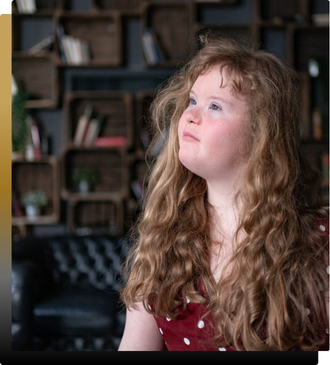
At Standby24, real stories show how the right care can change lives. One example is Ryan’s journey. Ryan lives with non-verbal autism and epilepsy, which made communication very hard for him. He often felt frustrated and would harm himself because he couldn’t express what he needed. When Standby24 stepped in, the team acted fast — within hours, trained carers were by his side. They built trust through calm voices, patience, and picture-based communication. Slowly, Ryan began to relax and feel understood. With a clear care plan and people who truly listened, his aggression reduced and he started showing joy again. What could have been a very difficult path turned into one of comfort, trust, and hope — thanks to Standby24’s compassionate autism support.
Conclusion
Recognising 12 signs of autism in adults is more than ticking boxes – it’s about opening a door to deeper self-understanding, compassionate support, and tools to thrive. Whether you saw one or many traits in yourself or someone close, these indicators point toward possibilities, not limits.
Autism isn’t a barrier – it’s a different wiring of mind. With the right support, insights, and care, autistic people can lead fulfilling, meaningful lives. At Standby24, we believe in supporting that journey – from diagnosis to treatment, and through ongoing care – especially when learning difficulties also overlap.
If you resonate with these signs, don’t wait. Reach out. Let us at Standby24 help you or your loved one turn signs into steps: steps toward clarity, acceptance, and living authentically. Contact us today and begin your journey to a better understanding, stronger support, and hope.