
Discharge Support for Elderly Patients Living Alone
Leaving the hospital can be a vulnerable time – especially for elderly patients who live alone. Without proper support, even simple daily tasks can become overwhelming, increasing the risk of complications, readmission, or delayed recovery.
In the UK, discharge support services are becoming an essential part of post-hospital care. These services ensure that elderly individuals can transition safely from hospital to home while maintaining dignity, independence, and peace of mind.
This guide explains everything you need to know about discharge support, why it matters, and how services like Standby24 can help.
Why Discharge Support Is Critical for Elderly Patients
Hospital discharge is not the end of care; it’s the beginning of recovery.
For elderly individuals living alone, the risks after discharge include:
- Falls due to reduced mobility
- Medication mismanagement
- Malnutrition or dehydration
- Loneliness and mental health decline
- Missed follow-up appointments
According to NHS data, inadequate discharge planning is a major contributor to hospital readmissions among older adults.
The key goal of discharge support is to ensure a safe, smooth, and supported transition from hospital to home.
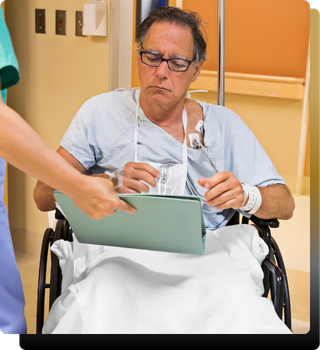
Challenges Faced by Elderly People Living Alone After Discharge
1. Limited Mobility
After surgery or illness, mobility is often reduced. Simple tasks like walking, bathing, or preparing meals can become difficult.
2. Lack of Immediate Support
Unlike those living with family, elderly individuals living alone may not have anyone available to assist in emergencies.
3. Medication Management
Confusion around prescriptions, dosages, or timing can lead to serious health risks.
4. Emotional Wellbeing
Isolation after hospital discharge can lead to anxiety, depression, or slower recovery.
5. Household Responsibilities
Daily tasks such as cleaning, cooking, or shopping may become unmanageable.
What Is Discharge Support?
Discharge support refers to a range of post-hospital care services designed to help patients recover safely at home.
These services can include:
Safe Transition & Home Readiness
Support should go beyond just getting someone home. A proper service ensures the home environment is safe, warm, and ready for recovery, reducing immediate risks like falls or discomfort on arrival.
First 24–72 Hour Recovery Monitoring
The most critical period after discharge is the first few days. Ongoing observation during this time helps identify early warning signs, prevent complications, and ensure recovery is on track.
Structured Recovery Support
Instead of basic help, care should follow a clear recovery plan aligned with medical advice; supporting mobility, rest, hydration, and gradual return to independence.
Health & Routine Coordination
Effective discharge support includes helping individuals stay on track with their care routine; appointments, prescriptions, and daily habits that directly affect recovery outcomes.
Nutrition & Strength Rebuilding
Recovery-focused nutrition plays a key role in healing. Support should prioritise meals that aid strength, immunity, and overall wellbeing—not just convenience.
Confidence & Independence Building
The goal isn’t dependency, it’s helping individuals regain confidence in their daily activities safely, at their own pace.
Emotional Reassurance & Continuity of Care
Consistent, familiar support reduces anxiety after discharge and creates a sense of stability, which is especially important for elderly individuals living alone.
In the UK, discharge support can be arranged through NHS services, private care providers, or a combination of both.
Benefits of Professional Discharge Support
Reduced Risk of Hospital Readmission: Proper care at home significantly lowers the likelihood of complications.
Faster Recovery: With the right support, patients regain strength and independence more quickly.
Peace of Mind for Families: Family members can feel reassured knowing their loved one is in safe hands.
Maintained Independence: Support allows elderly individuals to remain in their own homes rather than moving into residential care.
Why Discharge Support Matters Across the UK
Across the UK- from London to Manchester, Birmingham to smaller towns; healthcare systems are under pressure. Hospital beds are in high demand, making efficient discharge processes essential.
However, regional differences in NHS resources mean that private discharge support services like Standby24 fill critical gaps, ensuring:
- Faster transitions from hospital to home
- Consistent care regardless of location
- Personalised attention beyond standard NHS provision
For families across the UK, this provides a reliable and flexible alternative.
When Should You Arrange Discharge Support?

The best time to arrange support is before discharge happens.
Ideal timing:
- As soon as hospital discharge is discussed
- During care planning meetings
- When mobility or independence concerns are identified
Early planning ensures:
- No gaps in care
- A smoother transition home
- Reduced stress for patients and families
How to Choose the Right Discharge Support Service in the UK
When selecting a provider, consider:
- Experience and Reputation
Look for providers with strong reviews and proven experience in elderly care. - Range of Services
Ensure they cover all aspects of post-discharge care. - Flexibility
Care needs can change quickly—choose a provider that adapts. - Local Availability
Make sure services are available in your area. - Personalised Care Plans
Avoid one-size-fits-all approaches.
Standby24 meets these criteria by offering flexible, nationwide support tailored to individual needs.


Cost of Discharge Support in the UK
Costs vary depending on:
- Level of care required
- Duration of support
- Frequency of visits
While some services may be partially funded by the NHS or local authorities, many families choose private providers for faster and more flexible care.
Investing in discharge support often reduces long-term costs by preventing complications or hospital readmissions.
Frequently Asked Questions
What is discharge support for elderly patients?
Who needs discharge support?
Is discharge support available across the UK?
How long is discharge support needed?
Can discharge support prevent hospital readmission?
How quickly can discharge support be arranged?
Conclusion
If you or a loved one is preparing for hospital discharge, don’t leave recovery to chance.
Standby24 provides reliable, compassionate discharge support across the UK, helping elderly individuals live safely and independently at home.
👉 Visit https://standby24.co.uk/ to arrange personalised discharge support today.